What Our 2026 PRSA Anvil Winners Reveal About Strategic Communications Today
Each year, the Public Relations Society of America’s Anvil Awards recognize communications programs that demonstrate excellence in the field. This year, The Peacock Group earned three Awards of Excellence for campaigns that addressed vastly different challenges across Arkansas.
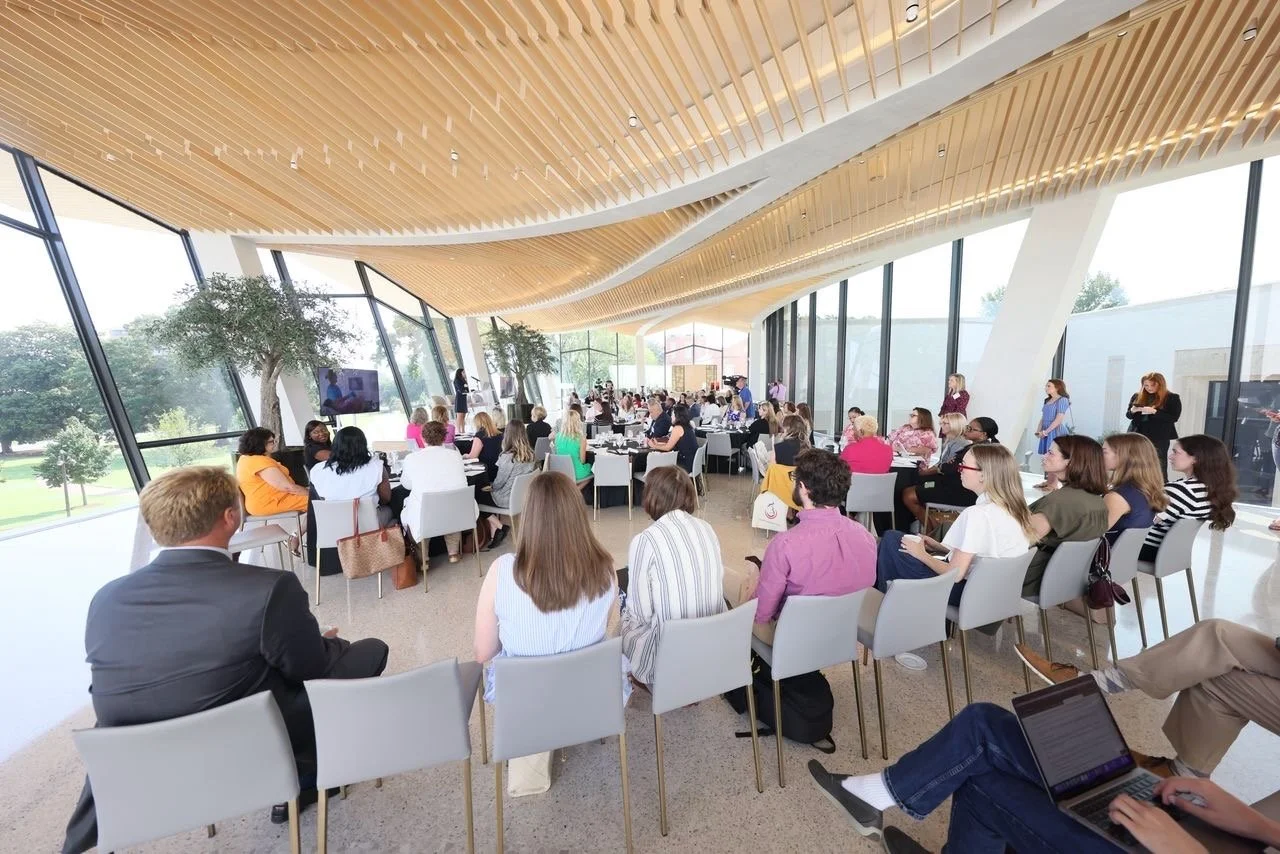
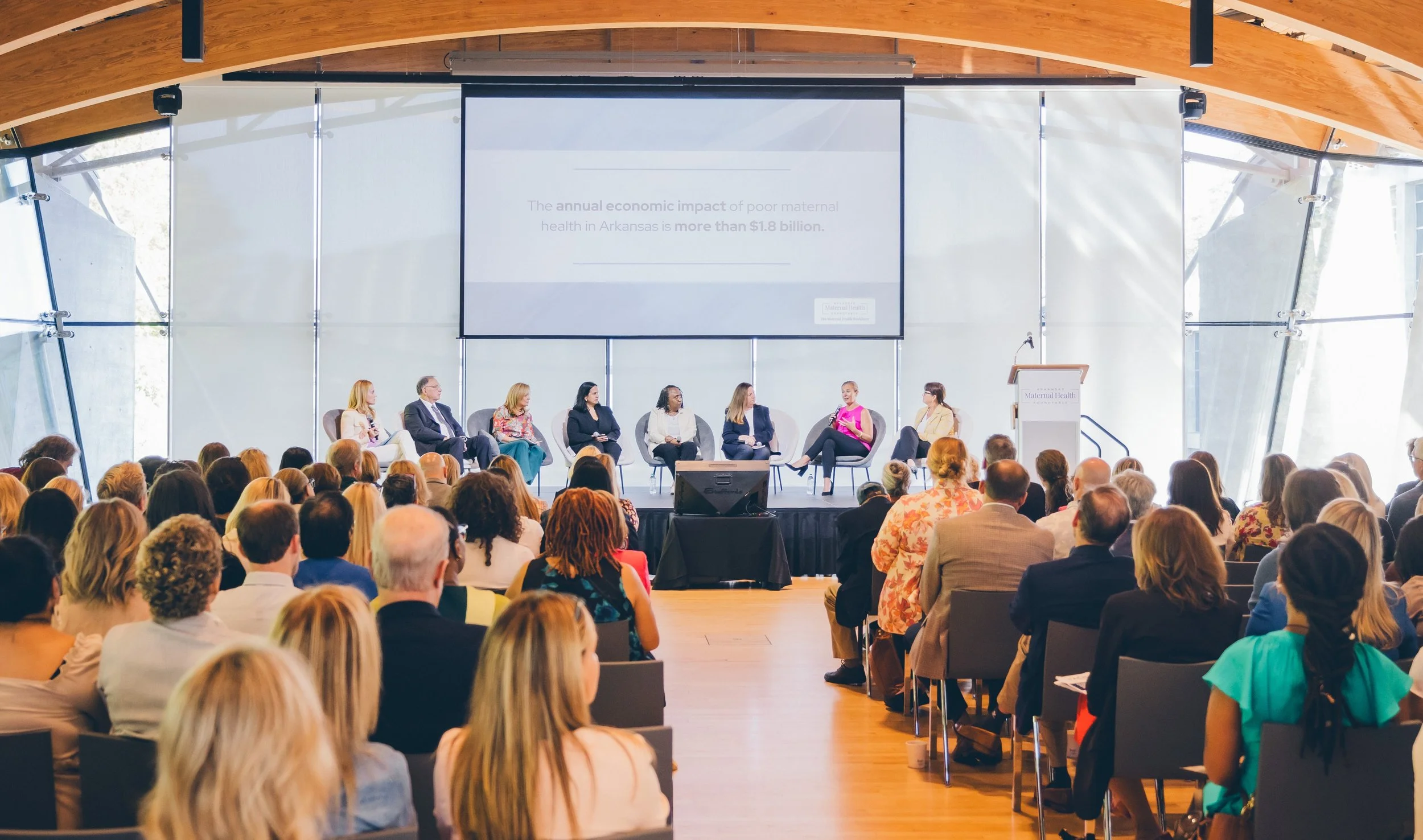
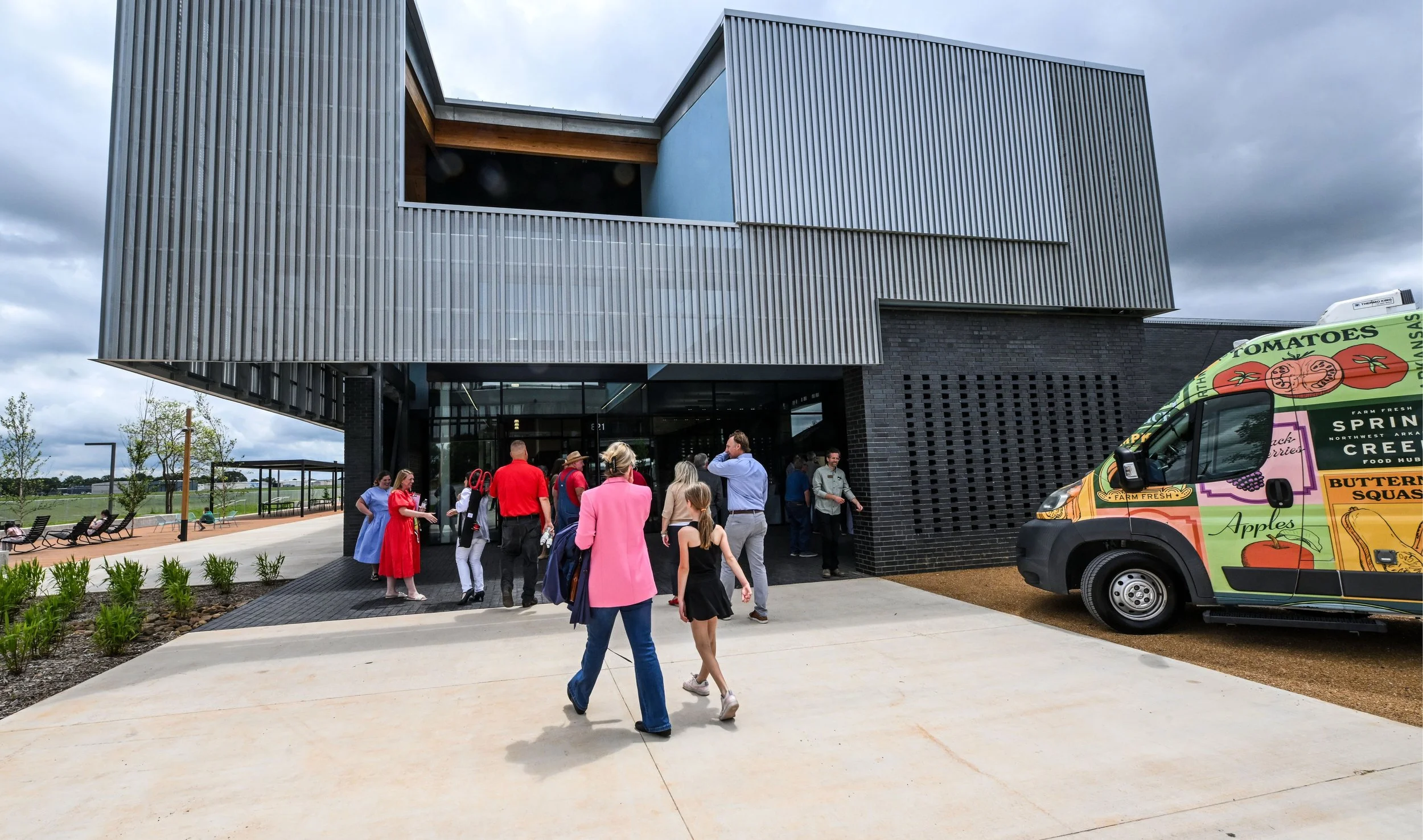
One campaign focused on helping expecting and postpartum mothers access life-saving resources through the launch of Arkansas-specific content in the Pregnancy+ app, the world’s most downloaded pregnancy app. Another sought to elevate Arkansas’s maternal health crisis and build momentum for policy reform, helping support one of the state’s most significant maternal health legislative packages in recent history. The third introduced the Market Center of the Ozarks, a first-of-its-kind regional food infrastructure hub designed to strengthen Northwest Arkansas’s food economy and improve access to locally grown food.
At first glance, these projects appear unrelated. One focused on consumer engagement, one on public affairs and legislative change, and one on a major community event and economic development initiative.
Yet despite their differences, all three campaigns were built on the same strategic principles. Each required our team to earn trust, mobilize stakeholders, simplify complex issues and connect communications efforts to meaningful outcomes.
As communications professionals navigate an increasingly fragmented media landscape, these campaigns offer several lessons about what separates effective communications programs from truly impactful ones.


Awareness Alone Isn’t Enough
For years, communication success was most often measured by obvious quantitative metrics such as total media placements, event attendance, impressions, etc. But today, organizations – and the vendors who support them – are increasingly expected to demonstrate outcomes. Those metrics still matter, but they’re no longer enough on their own.
The Pregnancy+ campaign went beyond the simple introduction of a new resource for Arkansas moms. The real challenge was making sure expecting and postpartum mothers actually used it.
Our maternal health public affairs work wasn’t about generating headlines for the sake of headlines. It was about helping move an important policy conversation forward.
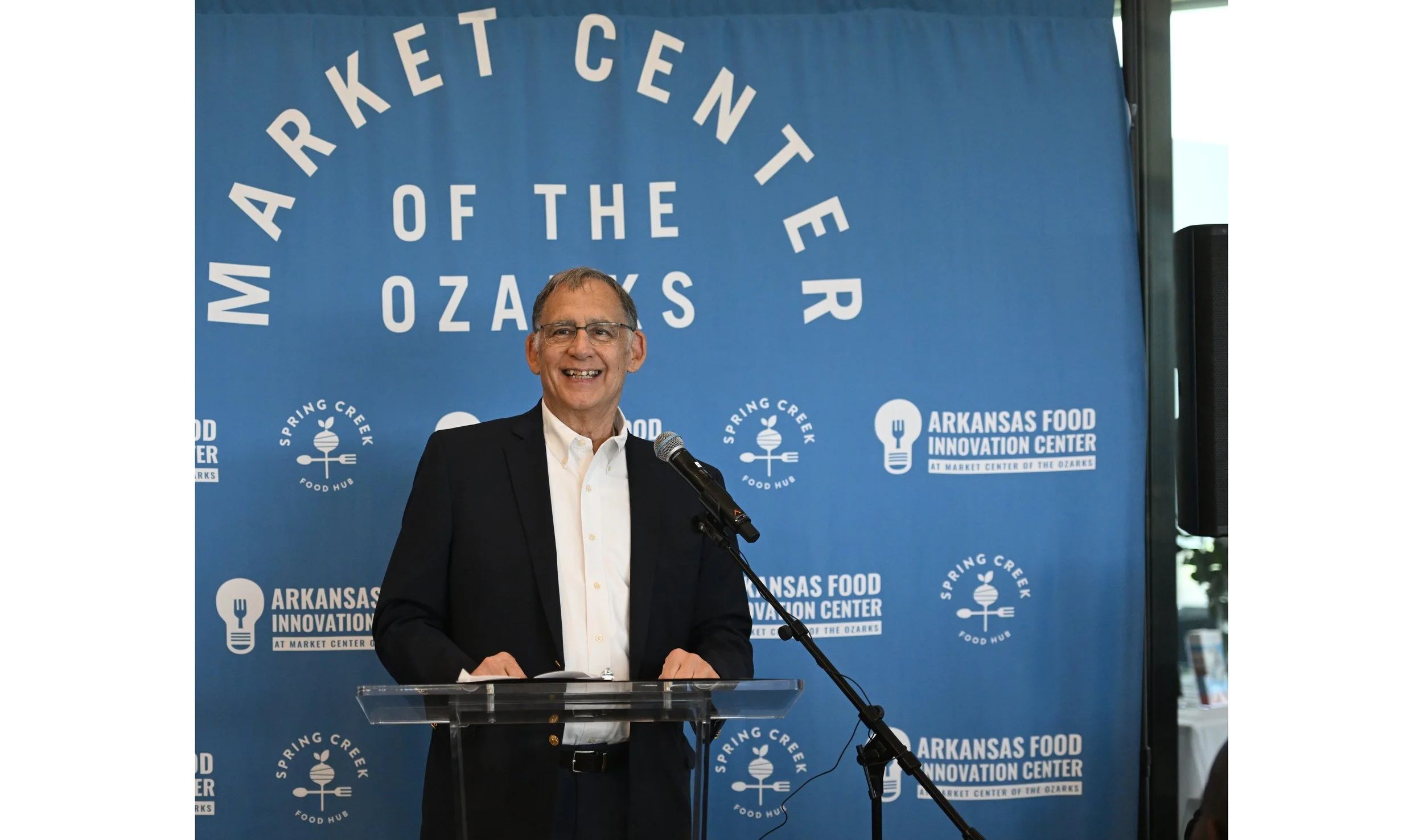
The Market Center of the Ozarks grand opening wasn’t just a ribbon-cutting. It was an opportunity to help stakeholders and locals alike understand the facility’s long-term value to the region.
Mainstream metrics have their place, but they’re only part of the story. The real value comes when communications efforts lead to meaningful engagement, behavior change or decision-making.
Trusted Messengers Are More Powerful Than Ever
Across all three campaigns, credibility played a critical role.
For Pregnancy+, we knew many women were more likely to trust information that came from their doctor, a local clinic or an organization already serving families in their community. The maternal health campaign gained traction because the conversation wasn’t limited to advocates. Physicians, legislators and mothers themselves helped explain why the issue mattered and what solutions could look like. At the Market Center of the Ozarks, farmers, food entrepreneurs and facility partners were often the most effective ambassadors because they could speak firsthand about the center’s impact.
In each campaign, some of the most powerful messages came from people whose credibility was established long before our work with the campaign began. It was far more effective and efficient to amplify those voices than to create new ones.
Relationships Outperform One-Time Campaigns
Some of the most successful communications programs function less like campaigns and more like ecosystems.
The maternal health initiative required sustained engagement with legislators, healthcare leaders, advocates and media over multiple years, and Pregnancy+ succeeded on the back of that work as well, making it easier for the resource to become integrated into existing healthcare and community networks.
With the Market Center of the Ozarks, the launch served as the beginning of a broader effort to connect growers, food entrepreneurs, nonprofits and institutional buyers across the region. While the grand opening certainly generated awareness, its larger purpose was helping people understand how the facility could create new partnerships and support a more connected food system in Northwest Arkansas.
Communications can create momentum, but it’s relationships that sustain it.
Local Context Still Matters
National best practices can provide guidance, but effective communications strategies must reflect the realities of the communities they serve. One of the quickest ways for a campaign to miss the mark is to assume that what works somewhere else will work everywhere.
Arkansas’s maternal health challenges differ from those in many other states, and even beyond that, we also know there is no single Arkansas audience. While the overarching goals guided the strategy, the conversations in Northwest Arkansas often looked different from those in Central Arkansas or the Delta. In some communities, dwindling access to providers and healthcare infrastructure shaped the discussion, while in others, the focus was on workforce participation or available support systems.
Those understandings influenced how we approached both the Pregnancy+ rollout and the broader public affairs effort, requiring messages be tailored to local concerns in the pursuit of a consistent statewide narrative.
Likewise, when introducing the Market Center of the Ozarks, we had to account for years of public assumptions about what the facility would be and who it would serve, as well as existing predispositions around development in Northwest Arkansas. Before talking about impact, we first had to build understanding. That meant helping people see the center as a behind-the-scenes resource designed to strengthen the region’s food economy, not a public market.
Every community brings its own history, priorities and perspectives, and the most effective communications strategies always start there.
While we're honored to have these campaigns recognized on the national stage, we're even more grateful for the opportunity to partner with organizations that are making a meaningful difference in Arkansas. Whether it's improving maternal health, strengthening local food systems or helping communities tackle their biggest challenges, that's the work we're most proud to support.
If your organization is looking for a strategic communications partner, head to our Services page to learn how we can help. To see more examples of our work, visit our Case Studies page.