Fresh Perspective From the Mile High City: My Takeaways From Content Marketing World

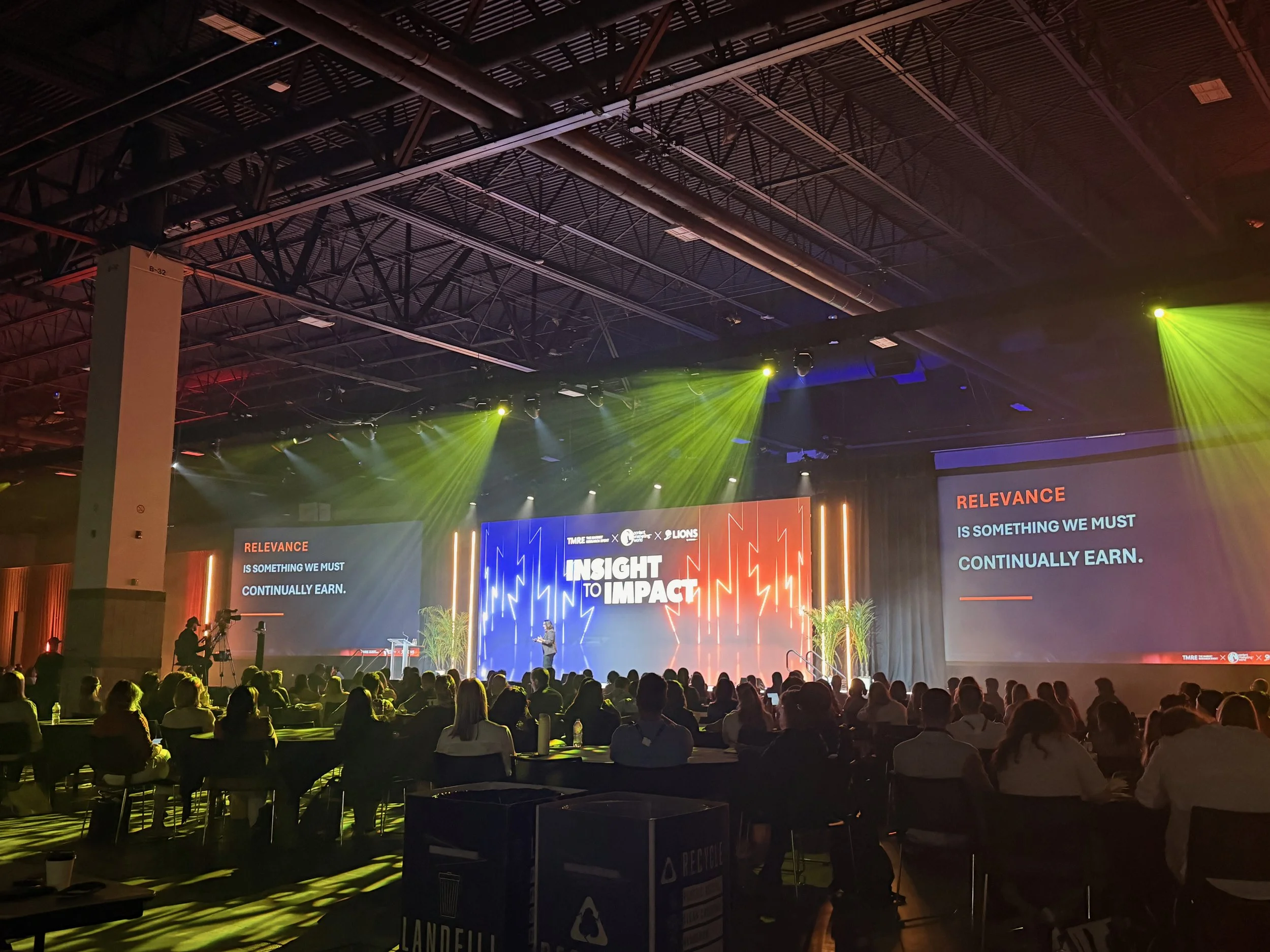
Last week, I spent a few days in Denver at Content Marketing World, where I attended sessions on everything from award-winning video campaigns to how artificial intelligence is changing the way people find information. I came home with plenty of notes and a few ideas I’m excited to bring into our work at The Peacock Group.
The sessions on creative content and AI discovery stood out to me most. There was a lot of discussion about new tools and changing platforms, but the advice kept coming back to understanding what people need and creating content that helps answer their questions.
It was also interesting to see how the conversation has shifted from applying AI in our individual workflows—which was a major topic at a conference I attended early last year—to how we become discoverable by AI search as more people start using it the same way they’d use Google (i.e. “what are the best PR firms in Arkansas?”).
Here are four takeaways that sum up my favorite learnings.
1. The best content starts with a question someone actually has.
Working in communications, we spend a lot of time helping organizations figure out what they want to say. One of my biggest takeaways was the value of flipping the conversation and asking our clients: What questions does your audience have and how can we provide them the answers? From blog content and earned media placements to events and more, this approach has applications across all of our client work.
In a session about the strategy behind a viral health care video, the presenter walked through how his team used search behavior and online conversations to understand people’s questions about bowel health. Those questions became the basis for a TikTok video featuring a doctor using modeling clay to explain a subject people were curious about but might find somewhat taboo.
The creative concept got people’s attention because it answered something they already wanted to understand and may not have the opportunity to speak directly with a doctor about. Comments on the video then gave the team ideas for follow-up content.
That approach applies well beyond health care. Someone considering a homeownership program may want to know what happens if they change jobs. A parent researching a service may be wondering what the first appointment will look like. Those questions give us a much more useful starting point than a broad topic we think we should cover, especially with short-form content.
It’s something I want to bring more intentionally into our client conversations. Along with asking clients what’s new, we can ask what people regularly misunderstand or what questions their teams hear most often.
2. Thought leadership needs a point of view.
Another interesting session offered a framework for thought leadership that I found especially useful: “standing, heat and edge.”
Standing is the experience that gives someone a reason to speak on a subject. Their position, expertise, etc.
Heat is when they take a meaningful position on something that matters.
And edge is the perspective that makes the piece different from what everyone else is saying—something readers won’t find in every competitor’s content.
That’s a helpful way to evaluate a commentary before drafting it. What does this person know from their own experience? What do they believe needs to change? What can they contribute that a reader hasn’t already heard?
For me, this reinforced the importance of preserving the details that make someone’s perspective their own. While AI can help organize information and challenge an argument, we have to provide the substance, which often comes from an interview or a follow-up question that gets someone thinking beyond their go-to talking points. A specific experience or an unexpected observation can be the most compelling part of a piece, even if it doesn’t fit neatly into the initial outline.

3. A strong story should guide the content calendar.
I also left thinking about how we develop creative content and plan its distribution.
Several speakers encouraged teams to identify their strongest story opportunities before filling a calendar. That means understanding why a story matters to the audience, then deciding which formats and channels will help tell it.
One example involved turning existing thought leadership into an audio magazine, something I hadn’t heard of before. Another session showed how recurring video formats could help a team build on successful concepts rather than start from scratch with every assignment.
I liked the practical question behind those examples: What else could this piece of content become?
This isn’t limited to social media, either. An expert interview might give us the foundation for a commentary and a series of short videos answering related questions. A strong feature could become an audio piece for an audience that prefers to listen. Each version should serve a purpose and take advantage of what its format does well.
That gives the calendar a stronger foundation. We’re planning around stories with room to develop, and audience feedback can help us decide where to take them next.
4. AI discovery is becoming part of reputation management.
Generative engine optimization, or GEO, and answer engine optimization, or AEO, came up throughout the conference. These terms describe efforts to help organizations appear accurately in AI-generated responses and other answer-based search experiences.
In one session, a team shared a case study involving RealSense, a company that AI systems had incorrectly described as completely defunct after a product line was discontinued. The agency worked to correct the narrative through media coverage while updating the company’s digital information so the facts were consistent and easier to verify. AI systems began to source that information and update the way they answered questions about RealSense’s status, even admitting that they had previously shared incorrect information on the subject.
It was a clear example of why we need to pay attention to what AI tools say about us and our clients. A person may encounter that answer before ever visiting an organization’s website.
The practical advice across sessions was familiar: Lead with useful information, identify credible experts and keep facts current. Make sure a website’s “About” page agrees with its releases and other public materials. Give people direct answers to their questions, and a FAQ page on your website does wonders for AI searching.
I left Denver excited to bring these ideas into our work, especially as we explore new ways to tell our partners’ stories. As the ways people find information continue to change, we have an opportunity to be more creative about how we reach them and more thoughtful about what we say when we do.